Anche quest’ anno abbiamo partecipato alla Open Source Conference che si è svolta il 26 novembre a Milano.
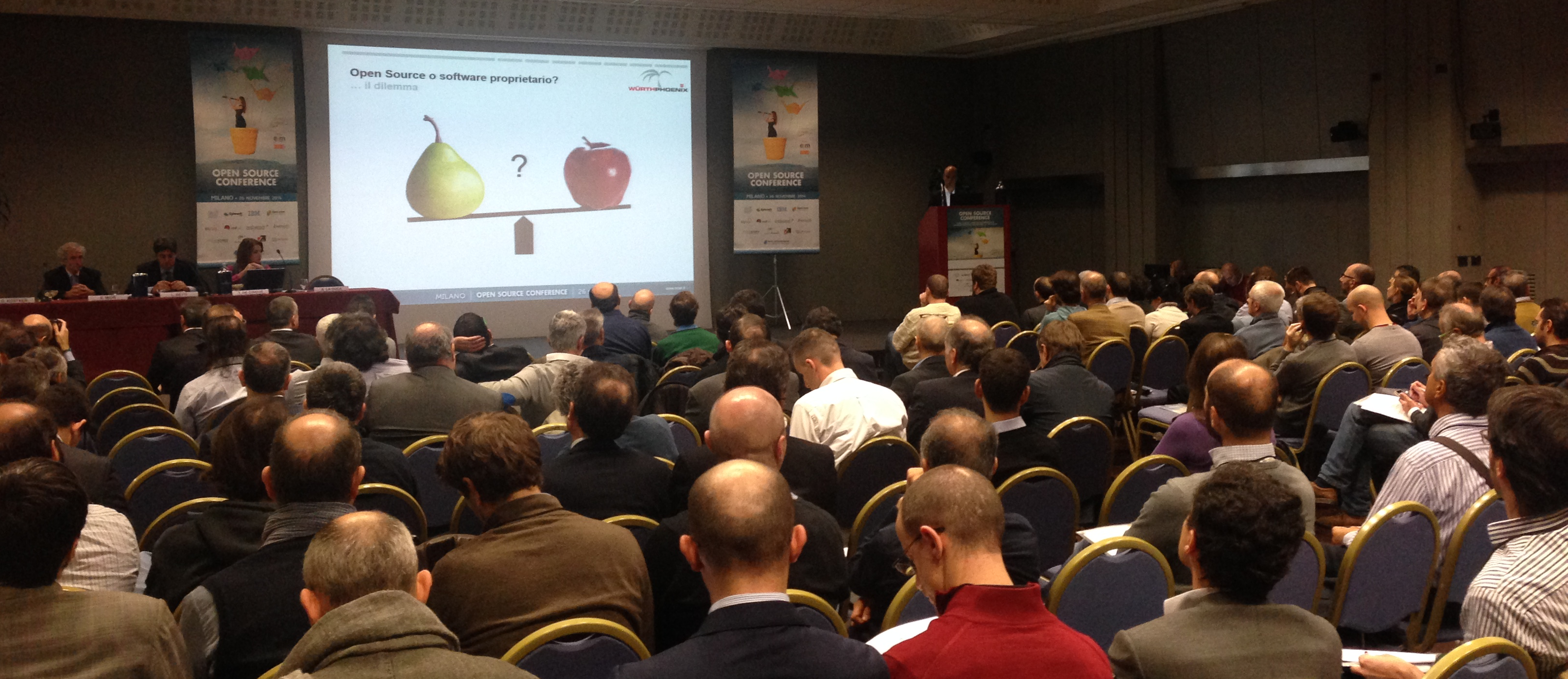
Georg Kostner ha delineato nel suo intervento i punti di forza di una strategia basata su tecnologie Open Source, per la gestione dei servizi informatici, rispondendo ai seguenti questiti:
Quali sono le caratteristiche tecniche e come si è evoluto il mondo delle applicazioni Open Source?
Quali sono i vantaggi tecnologici per un’azienda interessata a investire in soluzioni Open Source?
Perché oggi le soluzioni Open Sources sono un’opportunità?
Se desiderate approfondire tale tematica, potete rivedere la nostra presentazione o contattarci direttamente.
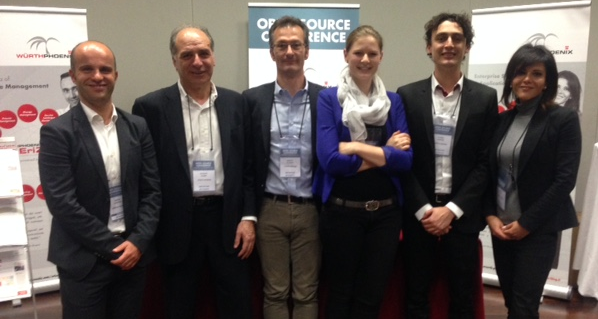
Persone interessate alle nostre soluzioni di IT System & Service Management NetEye, NetEye Real User Experience e EriZone avevano la possibilità di incontrare i nostri Key Account Managers responsabili per le diverse aree d’Italia.
A safer way to run privileged Windows checks with SystemRunner If you’ve been monitoring Windows for a while, you’ve probably seen this pattern: some checks must run as LocalSystem (S-1-5-18), and the “quick fix” is to run the Icinga Agent Read More
With the upgrade to NetEye 4.44, we've added a lot of new features (https://www.neteye-blog.com/2025/10/neteye-4-44-release-notes/) and, from my point of view, one of the most relevant is the introduction of Elastic Stack 9. This Elasticsearch major release (https://www.elastic.co/guide/en/elastic-stack/9.0/elastic-stack-release-notes.html) includes some new Read More
In NetEye, 'business processes' is a module used to model and monitor the business process hierarchy to obtain a high-level view of the status of critical applications. In short, they allow monitoring controls of individual components to be aggregated into Read More
If you've worked with Elastic APM, you're probably familiar with the APM Server: a component that collects telemetry data from APM Agents deployed across your infrastructure. But what happens when you need to segregate that data by tenant, especially in Read More
In the first part we created hosts and services to monitor a sequence of script using Tornado. The Tornado Rule Now let's continue with the creation of a Tornado rule: open the NetEye web interface and select Tornado dashboard, then Read More