29. 09. 2026
AI, NetEye, Unified Monitoring


Il progetto fastrack voice nasce dall’esigenza di fornire notifiche a mezzo voce a destinatari raggiungibili su linea fissa o mobile. Una funzionalità di notifica che va ad aggiungersi alle già disponibili email e sms e che rende NetEye più vicino alle esigenze dei clienti.
Questo nuovo add-on permette di avere dei messaggi preregistrati da inviare, in caso di anomalie, ai destinatari configurati.
Per la realizzazione è stato scelto un apparecchio costituito da un processore arm con modem/fax/voice gsm.
Il wavecom fastrack ha un potente sdk per lo sviluppo in c. Utilizzando Eclipse come Ide, gcc come compilatore ed un serial driver che permette il debugging ‘remoto’ del software, si è in grado di implementare soluzioni velocemente.
Essendo la mia prima applicazione sviluppata con il framework OpenAT, ho ovviamente incontrato alcune difficoltà. La prima è stata il watchdog interno (di cui ignoravo l’esistenza), il quale, se una procedura impiega troppo tempo, resetta l’applicativo. Ho perso varie giornate a capire perché l’applicativo che stavo sviluppando, si resettava in continuazione, poi ho finalmente deciso di leggermi la documentazione….
Un altro problema importante è la ridotta disponibilità di memoria.
Questa è una limitazione critica per un software che deve gestire file audio da riprodurre.
Per ovviare a questo problema i messaggi troppo lunghi vengono mantenuti sul server NetEye ed inviati come stream durante la chiamata.
I messaggi brevi possono essere salvati direttamente sul wavecom.
Sviluppi futuri:
NetEye sarà monitorato dal wavecom, il quale, in caso di failure, effettuerà una chiamata ad un numero telefonico predefinito.
Sarà possibile generare automaticamente il messaggio di notifica attraverso delle librerie di sintesi vocale.
Si farà uso di librerie come festival o mbrola per tradurre il testo in messaggi vocali.
Per ridurre notevolmente le dimensioni dei file audio, si userà il codec amr.
La comunicazione con NetEye potrà essere bidirezionale, ossia l’utente potrà chiamare NetEye con il proprio telefono e navigare i menù attraverso i toni dtmf, e ricevere le informazioni con messaggi vocali.
Riferimenti:
http://www.wavecom.com/modules/movie/scenes/products/index.php?fuseAction=wirelessCPU&productName=Fastrack_Supreme
http://www.gnuarm.com/
http://www.cstr.ed.ac.uk/projects/festival/
http://tcts.fpms.ac.be/synthesis/mbrola.html
http://en.wikipedia.org/wiki/Adaptive_Multi-Rate_audio_codec
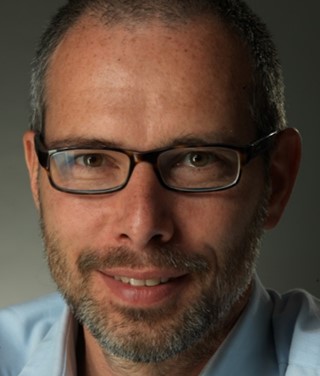
Luca Di Stefano
Solution Architect at Würth Phoenix
Hi everyone, I’m Luca, graduated in electrical engineering from the University of Bologna. I am employed by Würth Phoenix since its foundation. I worked mainly as enterprise architect and quality assurance engineer. Previously I was involved in systems measurement and embedded systems programming. I have gained experience on Unix (Solaris, HPUX), Windows, and C, C + +, Java. I personally contribute to the Open Source community as beta tester and developer. During my spare time I love piloting airplanes fly over the beautiful Alps. I practice many sports: tennis, broomball, skiing, alpine skiing, volleyball, soccer, mountain biking, middle distance, none have a sample but the competition excites me! I love hiking, tracking and traveling.
Author

Latest posts by Luca Di Stefano
22. 09. 2016
NetEye, Predictive Analysis, Real User Experience, Unified Monitoring
Why does my local network latency increase during working hours?
09. 06. 2016
Unified Monitoring
Network Performance Monitoring: Port Mirroring vs. Network TAPs vs. Hardware Timestamp