03. 06. 2026
SATAYO, SEC4U, Threat Intelligence

04. 08. 2026
Matteo Lorenzini
SEC4U, Threat Intelligence
Unmasking Geo-Fenced Threats: The Power of Residential Proxies in CTI
As threat analysts, we spend our days dissecting malicious code, tracking infrastructure, and reverse-engineering adversary tactics. But what happens when the threat actor refuses to even let us see the payload?
In recent years, the Cyber Threat Intelligence (CTI) landscape has witnessed a massive shift. Adversaries have realized that the best way to protect their attack infrastructure is to prevent security researchers and automated sandboxes from accessing it in the first place. To achieve this, they rely heavily on Traffic Distribution Systems (TDS) and strict geo-fencing. If your IP address doesn’t perfectly match the profile of their intended victim, you hit a dead end.
To bypass these invisible walls, we need to adapt our network footprint. This is where residential proxies shift from being a simple networking tool to an absolute necessity in our CTI arsenal.
The Trust Game: Datacenter vs. Residential IPs
To understand how adversaries filter our traffic, we need to look at how IP addresses are classified. Historically, security teams and automated sandboxes have routed their outbound traffic through commercial Virtual Private Networks (VPNs) or cloud datacenter IPs (like AWS, Google Cloud, or DigitalOcean).
While datacenter proxies offer high speed and low latency, they have a fatal flaw for threat hunting: a terrible trust score. Their IP addresses belong to well-known Autonomous System Numbers (ASNs) associated with hosting providers. When a modern, sophisticated malware campaign inspects an incoming request and sees a datacenter IP, it immediately assumes the connection is coming from a security scanner, a researcher, or a bot. The result? The server drops the connection, returns a fake 404 error, or delivers a harmless decoy payload.
Residential proxies operate on a completely different paradigm. They utilize IP addresses assigned by local Internet Service Providers (ISPs) to actual physical consumer devices, such as home routers or mobile phones. To the adversary’s infrastructure, traffic routed through a residential proxy is indistinguishable from a legitimate, organic user browsing the web from their living room.
This architectural difference changes everything. While datacenter proxies might face failure rates of over 50% when probing heavily protected malicious infrastructure, residential proxies boast success rates of up to 99%, easily bypassing anti-bot measures and IP reputation filters.
Defeating Active Network Reconnaissance
The true power of residential proxies extends far beyond simply bypassing a static regional block at the gateway level. Modern malware families actively perform network reconnaissance from within the infected machine before deploying their final, most damaging payloads.
Advanced loaders often execute a seemingly innocuous HTTP GET request to external IP-checking APIs (such as ip-api.com or similar services) to validate the environment. If the API returns data indicating the IP belongs to a hosting provider or a datacenter, the malware instantly terminates its execution and wipes its memory footprint. By routing the sandbox traffic through a residential proxy, the malware receives confirmation that it’s operating on a consumer ISP. The anti-analysis checks are satisfied, and the malware proceeds to reveal its secondary stages and Command and Control (C2) domains.
Furthermore, interacting with adversary infrastructure requires extreme operational security. If an analyst attempts to download a multi-stage payload and their IP address randomly changes mid-session, the adversary’s backend will detect the anomaly and cut the connection. High-quality residential proxy networks allow analysts to utilize “sticky sessions”, ensuring a stable, localized IP address is maintained throughout the entire investigation, providing the continuity needed to pass as a genuine victim.
Stepping Into the Attacker’s Trap (And Surviving)
Understanding the theory is one thing, but how does this translate into our daily SOC operations?
Let’s look at a very common scenario. We often intercept highly targeted spear-phishing campaigns or malicious URLs designed to infect users only in specific regions. These campaigns use advanced TDS platforms, like Keitaro, to silently verify the visitor’s geolocation and browser parameters before serving the actual malware. If we try to analyze that link using a standard corporate VPN or a traditional cloud sandbox, the adversary’s geo-fence blocks us out. We get no payload, no Indicators of Compromise (IOCs), and a dangerous false negative.
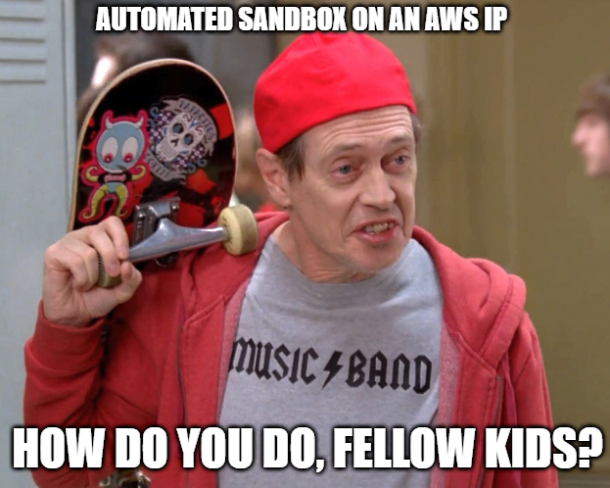
To counter this, we can leverage residential proxy networks integrated directly into modern dynamic analysis environments. This capability allows us to surgically bypass the adversary’s network defenses without relying on static, easily detected infrastructure.
Instead of detonating the suspicious URL blindly, we configure our interactive sandboxes to route the virtual machine’s outbound traffic through a specific residential node located in the exact target country. From the perspective of the threat actor’s TDS, the connection perfectly matches their intended victim profile: a residential ISP in the correct geographic location. The gates open, the geo-fencing is bypassed, and the real malicious payload is delivered to our analysis environment.
Because we have live, interactive control over the environment, we can mimic human behavior, click through fake CAPTCHAs, and watch the infection chain unfold in real-time. By masking our true origin and cloaking our analysis environment in the guise of a regular consumer, we can extract the hidden Command and Control (C2) domains, document the evasion techniques, and ultimately build the robust defenses our organizations rely on.
In modern threat intelligence, seeing the threat is half the battle. Residential proxies simply give us our eyes back.
References
- Sublime Security – Analysis of Keitaro TDS abuse for targeted phishing campaigns and evasion
- Multilogin – Technical breakdown of Residential Proxies vs. Datacenter Proxies and ISP trust scores
- Browserless – The role of residential proxies in mimicking organic user behavior, maintaining session congruency, and evading detection
- LobeHub – Performing interactive dynamic malware analysis and bypassing geo-restrictions
- Bright Data – Differences between Datacenter and Residential Proxies, emphasizing success rates and trust scores
These Solutions are Engineered by Humans
Did you learn from this article? Perhaps you’re already familiar with some of the techniques above? If you find cybersecurity issues interesting, maybe you could start in a cybersecurity or similar position here at Würth IT Italy.

Matteo Lorenzini
Author

Latest posts by Matteo Lorenzini
03. 06. 2026
SATAYO, SEC4U, Threat Intelligence
The Hidden Threat of Subdomain Takeovers