
23. 12. 2015
Juergen Vigna
NetEye
Monitoraggio della End User Experience di un’applicazione web con Sahi
Alyvix, strumento di monitoraggio della End User Experience, può essere utilizzato su ogni applicazione, inclusi web-browser. Nonostante ciò per il monitoraggio delle applicazioni web preferiamo consigliare l’adozione di Sahi e per infrastrutture più estese SahiPro. Questi strumenti infatti sono molto più performanti rispetto ad Alyvix perché funzionano all’interno del DOM stesso del web-browser e perciò non dipendono dalle immagini che appaiono sullo schermo per testare gli applicativi.
Questo significa anche che un singolo server può eseguire contemporaneamente molte diverse navigazioni web, mentre Alyvix, poiché si basa sul “Virtual Eye” (attraverso gli screenshots), può eseguire una sola navigazione alla volta. Recentemente ho implementato SahiPro in una grande organizzazione, in cui oggi eseguono oltre 300 navigazioni ogni 5 minuti utilizzando allo stesso tempo diversi server SahiPro. Due dei processi girano su due NetEye servers in parallelo al load balance e alla terza installazione di SahiPro su un Server Windows, necessaria poiché alcune navigazioni devono essere eseguite su Internet Explorer disponibile solo su una piattaforma Windows.
Eseguendo i controlli su server NetEye/Nagios potrete vedere se le vostre applicazioni web funzionano correttamente attraverso l’exitcode del plugin, potrete valutare come le vostre applicazioni si comportano attraverso il tempo e analizzare dati prestazionali su grafici:
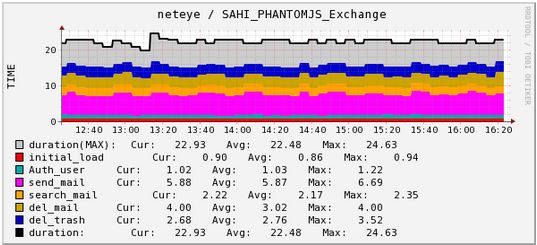
SahiPro Navigation Performance Graph
Informazioni più estese e dettagliate possono essere inoltre visualizzati nell’html-log di SahiPro includendo l’ultima immagine di navigazione (Last Navigation Image).

Nagios Service Output
E l’immagine sottostante invece riporta un esempio di quando si clicca sul “Log” URL nel Plugin Output:
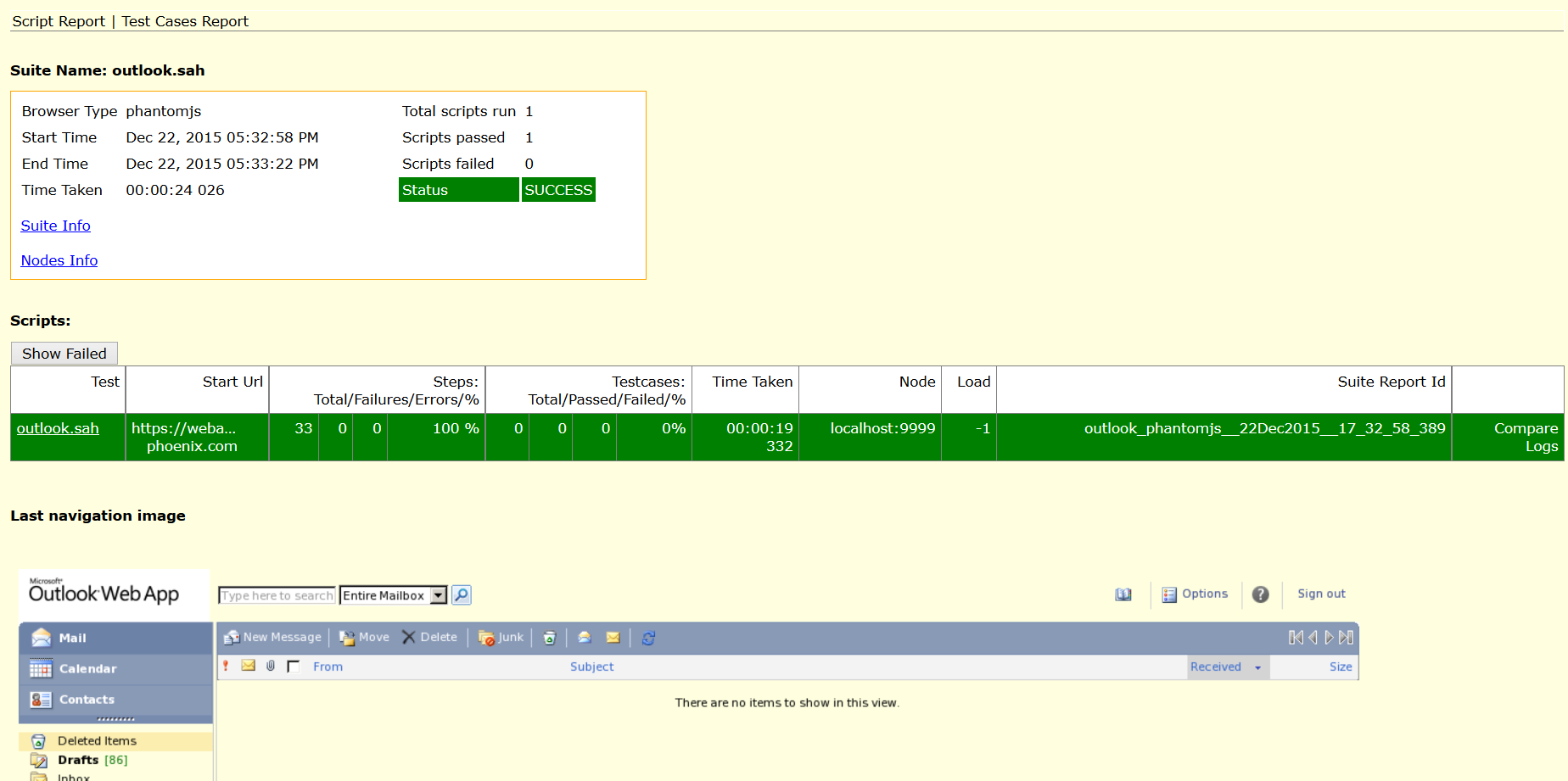
SahiPro HTML Report with “Last Navigation Image”
Potete utilizzare questo Nagios plugin per l’esecuzione delle navigazioni con Sahi avrete bisogno solamente di configurare un server Sahi(Pro) per poter installare il plugin.
Buon divertimento!



Juergen Vigna
NetEye Solution Architect at Würth IT Italy
I have over 20 years of experience in the IT branch. After first experiences in the field of software development for public transport companies, I finally decided to join the young and growing team of Würth Phoenix (now Würth IT Italy). Initially, I was responsible for the internal Linux/Unix infrastructure and the management of CVS software. Afterwards, my main challenge was to establish the meanwhile well-known IT System Management Solution WÜRTHPHOENIX NetEye. As a Product Manager I started building NetEye from scratch, analyzing existing open source models, extending and finally joining them into one single powerful solution. After that, my job turned into a passion: Constant developments, customer installations and support became a matter of personal. Today I use my knowledge as a NetEye Senior Consultant as well as NetEye Solution Architect at Würth Phoenix.
Author

Latest posts by Juergen Vigna
22. 05. 2025
NetEye, Unified Monitoring
Automatic Integration of NagVis Map into Icinga Web 2/NetEye Monitoring