
Un’importante parte dell’infrastruttura IT è sicuramente costituita dalla UPS e le stazioni di energia che forniscono l’energia necessaria per far funzionare l’intera infrastruttura. Ciò di cui avete bisogno sono degli allarmi e dei dati storici della tua UPS e stazione di energia. Recentemente ho implementato un nuovo approccio e nuovi plugin per questo tipo di monitoraggio. Mentre prima UPS e Statzioni di Energia venivano monitorato attraverso un unico plugin ora abbiamo cercato di dividere il monitoraggio di questi dispositivi in diversi plugin:
- Alarms (Allarmi)
- Battery (Batteria)
- In/Out (In entrata/In uscita)
- Availability (Ping) (Disponibilità ping)
- Availability (HTTP(s)) (Disponibilità HTTP(s))
Il principale vantaggio di questa decisione consiste che se alcuni allarmi sono attivi sul vostro dispositivo avrete ancora la possibilità di visualizzare nuovi allarmi anche se i dispositivi dovessero perdere il collegamento energetico o nel caso la batteria dovesse scaricarsi. Inoltre i plugin cercano automaticamente di identificare il tipo di dispositivo in modo tale che i servizi di monitoraggio “generici” possano essere creati e assegnati ai diversi tipi di dispositivo. Di seguito fornisco la lista dei dispositivi che abbiamo ad oggi sotto monitoraggio:
Netvision (vecchio e nuovo mibs)
Socomec (vecchio e nuovo mibs)
Netvision Energy Stations
Benning (vecchio e nuovo mibs)
APC
Generex
MGE
Delta
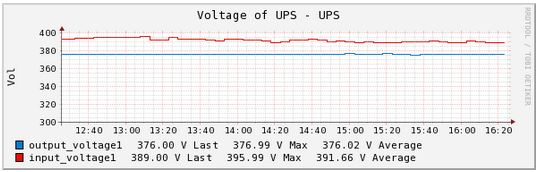
Questo vi offre una panoramica sulla possibilità dei dispositivi che potete controllare. Oltre ai grafici sulla batteria e sull’energia in entrata e uscita potete anche vedere come cambia il consumo dei vostri dispositivi attraverso il tempo e controllare in ogni momento i vostri dispositivi.



Juergen Vigna
NetEye Solution Architect at Würth IT Italy
I have over 20 years of experience in the IT branch. After first experiences in the field of software development for public transport companies, I finally decided to join the young and growing team of Würth Phoenix (now Würth IT Italy). Initially, I was responsible for the internal Linux/Unix infrastructure and the management of CVS software. Afterwards, my main challenge was to establish the meanwhile well-known IT System Management Solution WÜRTHPHOENIX NetEye. As a Product Manager I started building NetEye from scratch, analyzing existing open source models, extending and finally joining them into one single powerful solution. After that, my job turned into a passion: Constant developments, customer installations and support became a matter of personal. Today I use my knowledge as a NetEye Senior Consultant as well as NetEye Solution Architect at Würth Phoenix.
Author

Latest posts by Juergen Vigna
22. 05. 2025
NetEye, Unified Monitoring
Automatic Integration of NagVis Map into Icinga Web 2/NetEye Monitoring