
UPS und Energiestationen versorgen die IT-Infrastruktur mit der erforderlichen Energie und sind daher ein sehr wichtiger Teil einer jeden Infrastruktur.
Es ist also auf jeden Fall sinnvoll auf diesen Geräten Alarme zu definieren und die entsprechenden Monitoring-Daten zu sammeln.
Letzthin habe ich einen neuen Ansatz und neue Plugins für diese Art von Überwachung implementiert. Früher wurden UPS und Energie Stationen über ein einzelnes Plugin überwacht, nun haben wir versucht die Überwachung dieser Geräte folgendermaßen aufzuteilen:
- Alarms
- Battery
- In/Out
- Availability (Ping)
- Availability (HTTP(s))
Der große Vorteil hierbei ist, dass auch wenn aktuell aktive Alarme auf einem Gerät bestehen, Sie neue Alarme, wenn sich z.B. die Uplink Energie des Gerätes verringert oder die Batterie einen Leistungsverlust verzeichnet, trotzdem sehen. Außerdem versucht das Plugin automatisch den Gerätetyp zu erahnen, damit „allgemeine“ Monitoring-Dienste erstellt und den verschiedenen Gerätetypen zugewiesen werden können. Aktuell können wir die folgenden Typen unterscheiden:
Netvision (alte und neue mibs)
Socomec (alte und neue mibs)
Netvision Energy Stations
Benning (alte und neue mibs)
APC
Generex
MGE
Delta
Somit sind Sie in der Lage ein breites Geräte-Sortiment zu überwachen, damit sie sich jederzeit sicher sein können, dass alles korrekt funktioniert bzw. informiert werden falls Handlungsbedarf besteht.
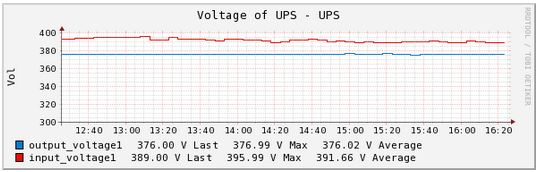
Durch die Battery und In/Out Graphen können Sie außerdem darstellen ob sich der Energiekonsum Ihrer Geräte über die Zeit hinweg verändert.



Juergen Vigna
NetEye Solution Architect at Würth IT Italy
I have over 20 years of experience in the IT branch. After first experiences in the field of software development for public transport companies, I finally decided to join the young and growing team of Würth Phoenix (now Würth IT Italy). Initially, I was responsible for the internal Linux/Unix infrastructure and the management of CVS software. Afterwards, my main challenge was to establish the meanwhile well-known IT System Management Solution WÜRTHPHOENIX NetEye. As a Product Manager I started building NetEye from scratch, analyzing existing open source models, extending and finally joining them into one single powerful solution. After that, my job turned into a passion: Constant developments, customer installations and support became a matter of personal. Today I use my knowledge as a NetEye Senior Consultant as well as NetEye Solution Architect at Würth Phoenix.
Author

Latest posts by Juergen Vigna
22. 05. 2025
NetEye, Unified Monitoring
Automatic Integration of NagVis Map into Icinga Web 2/NetEye Monitoring