30. 06. 2026
Azure, Cloud, Microsoft, NetEye, NetEye Extension Packs, Unified Monitoring

28. 10. 2022
Elena Valgoi
Events, NetEye, Unified Monitoring
WÜRTH PHOENIX GOES TO… IT-SA! (NUREMBERG)
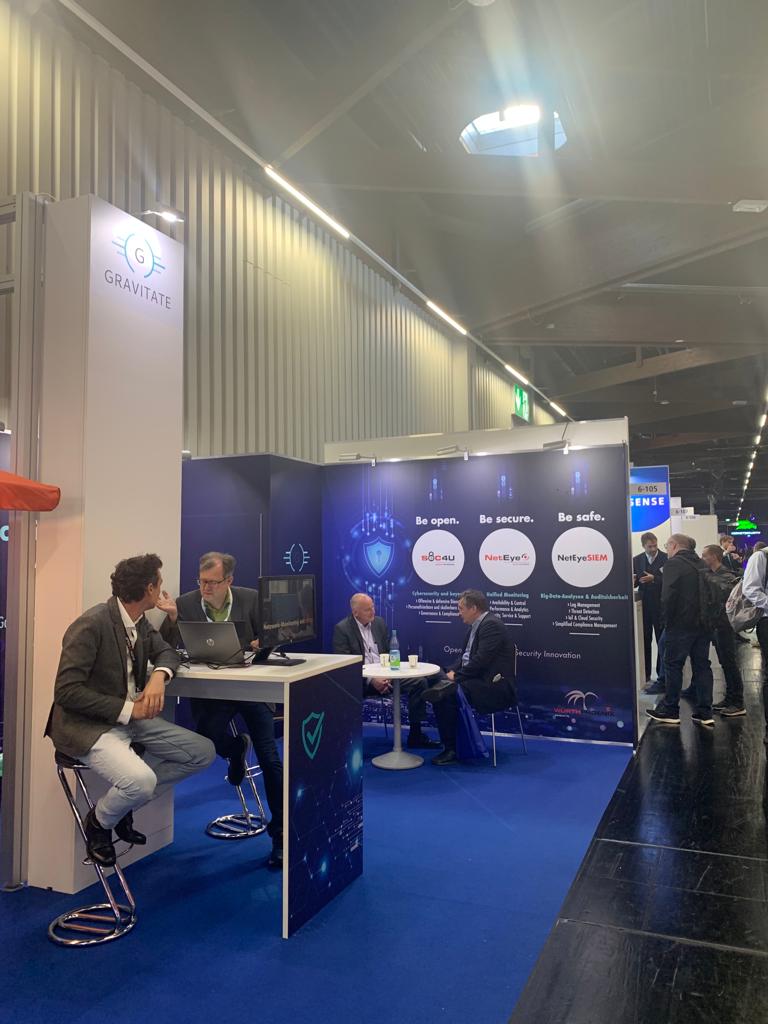
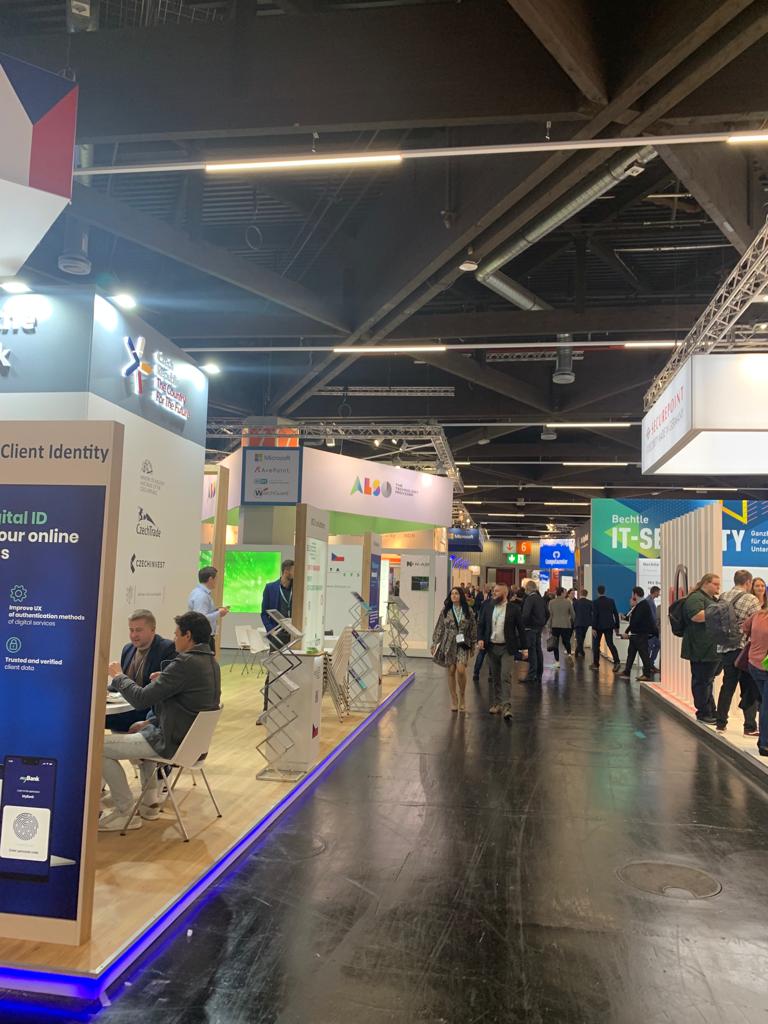
It-sa is Europe’s largest trade fair for IT security… and we were there!
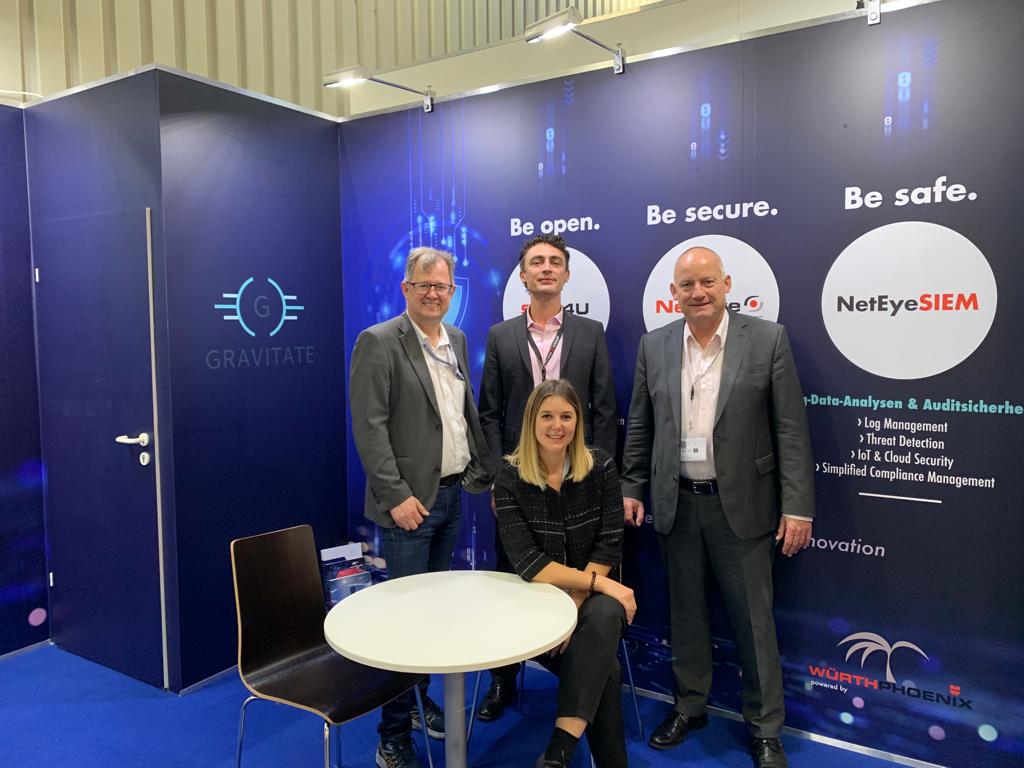
This fair has taken place in Nuremberg since 2009, and is the meeting point for all decision makers and experts in IT security. It’s the #placetobe for all those searching for security solutions and for learning from major experts in the field.
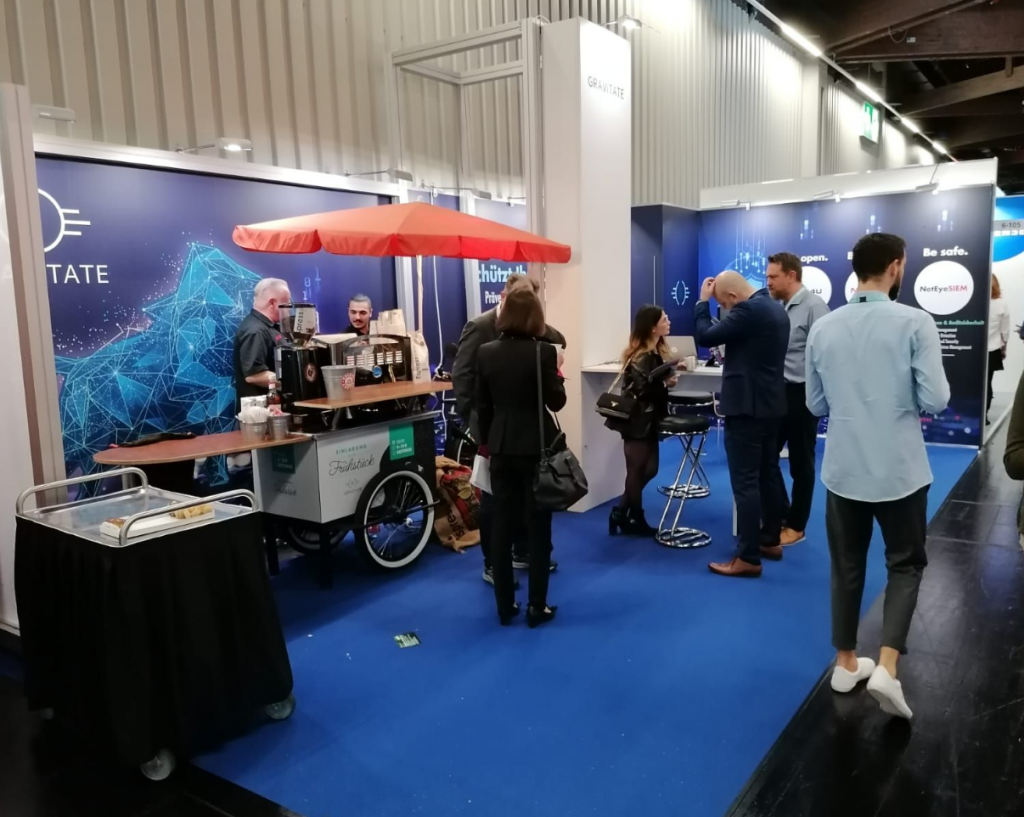
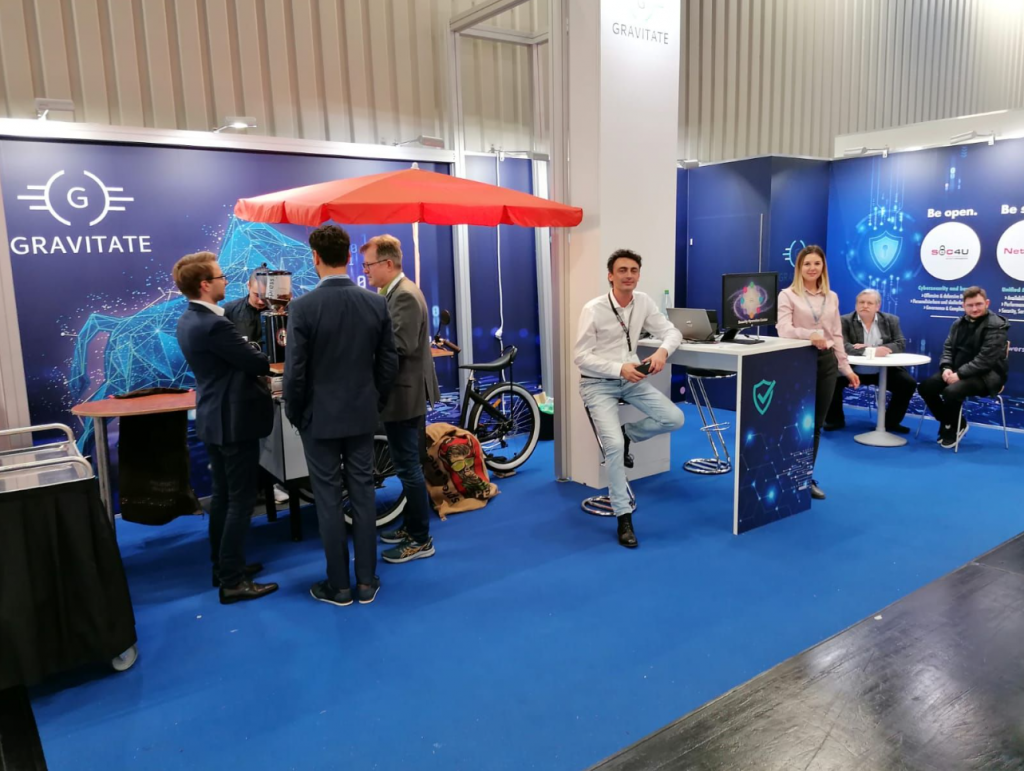
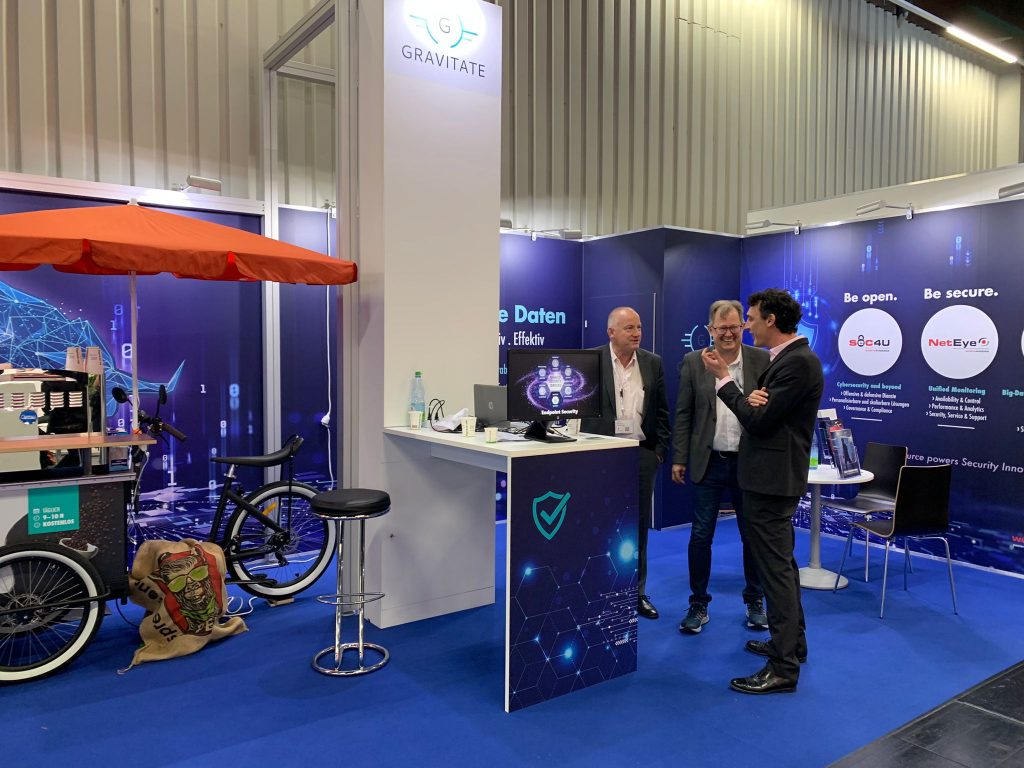
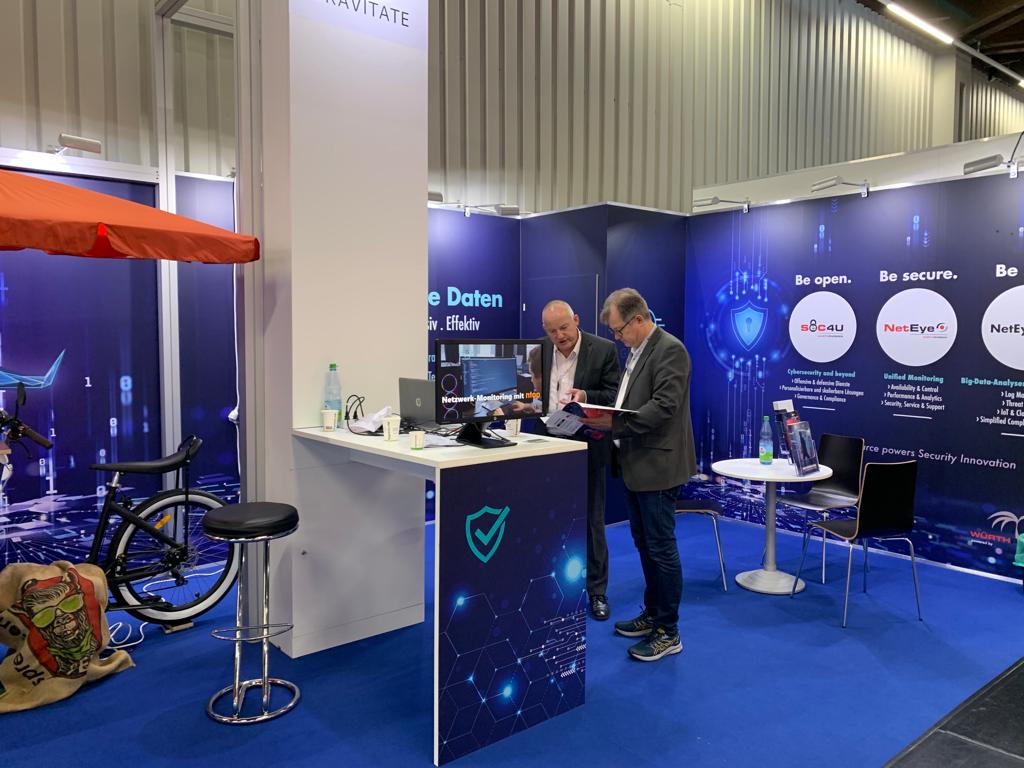
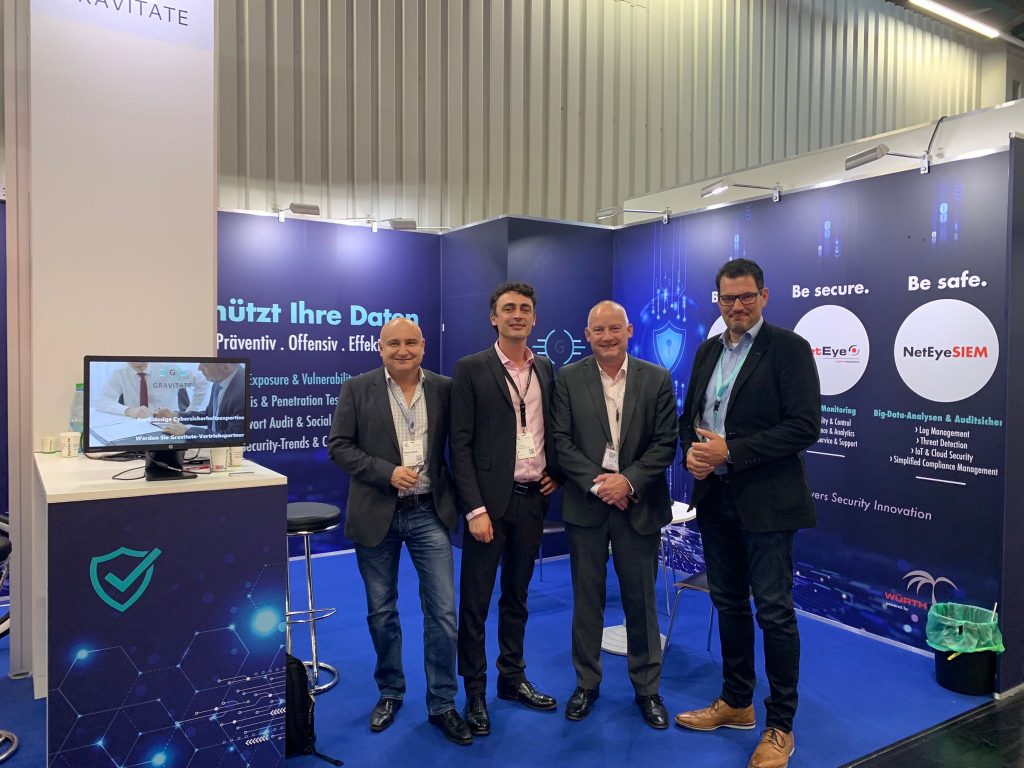
This year we participated in collaboration with Gravitate, our German partner for all our monitoring and security solutions. It was a great occasion to meet many other partners, to exchange knowledge and to learn all the latest trends in the security field, while also meeting potential new customers!
Thanks to everyone who visited us during these three days!
See you next year!
Did you find this article interesting?
Do you like connecting with suppliers and customers? We often travel to trade meetings to present our products and solutions, and meet others in the IT field. We’re currently hiring for roles like this and others here at Würth Phoenix.

Elena Valgoi
Author

Latest posts by Elena Valgoi
18. 12. 2025
AI, Atlassian, Events, Knowledge Management, Service Management
Atlassian: Feature Focus
14. 04. 2025
AI, Atlassian, Events, Knowledge Management, Service Management
Atlassian: What’s New and Next
23. 07. 2024
Atlassian, Knowledge Management, Service Management
Microsoft 365 for Jira – Outlook Email, Teams, Calendar